

This publication is the playground that gives me the freedom to organize my research and exercise my creativity.
If you enjoy electrifying essays—philosophy and fiction exploring the vital aspects of modernity—please consider becoming a paid subscriber. It costs less than a cocktail in town, and it helps more than you think.
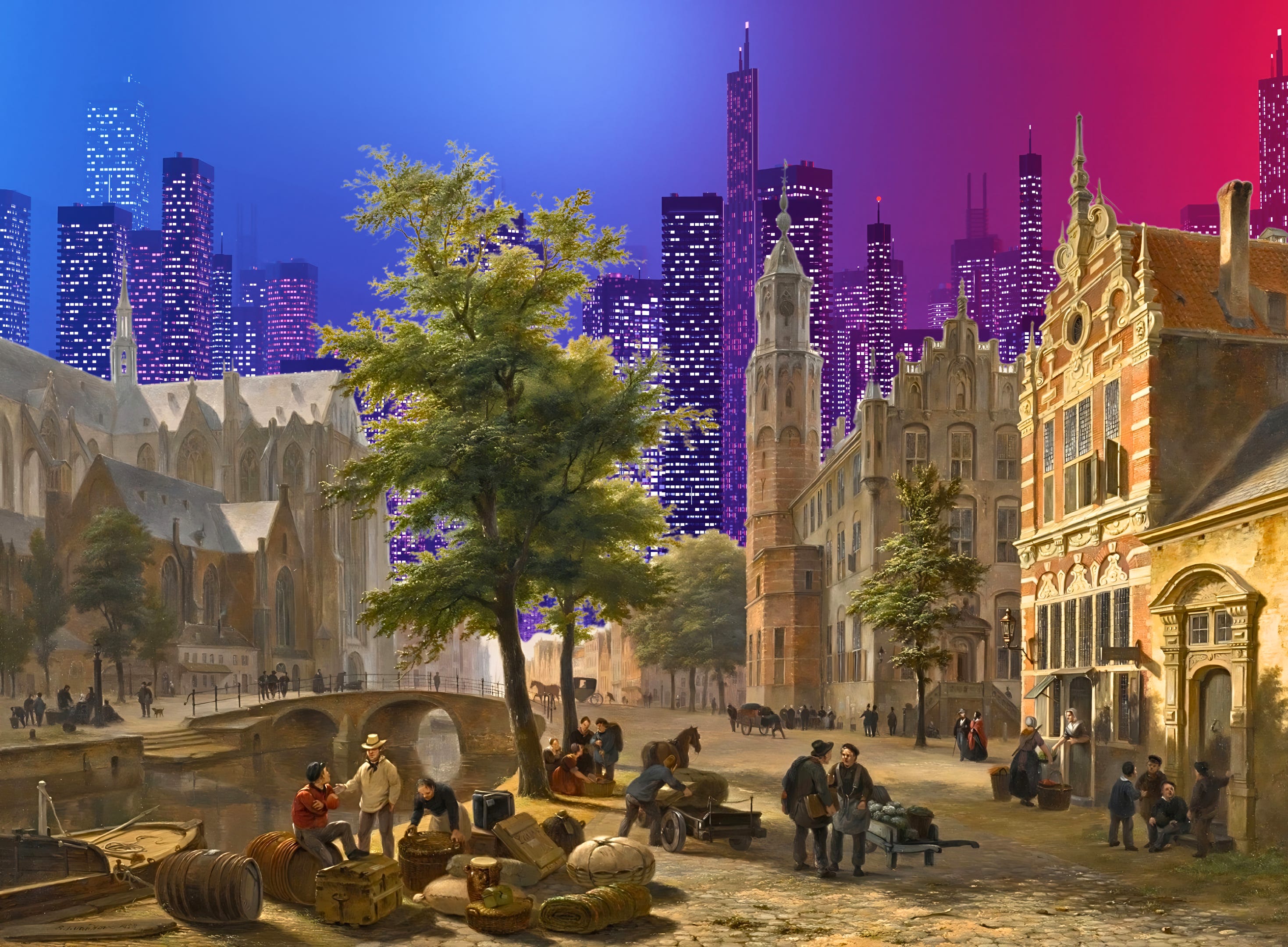
THE WORLD ISN’T simply getting uglier. It’s becoming more profane and disenchanted. Our compulsive desire to explain, measure, upgrade, optimize, and control everything on this planet isn’t producing the breakthroughs we imagined but rather absorbing the charm of ordinary life. Every mystery is dismissed as suspicious. Every beauty is flattened through reductive scientific explanations. Love is brain chemistry now. A sunset is light bouncing off particles. A forest is an ecosystem of organisms competing for light and nutrients. This pseudo-scientific worldview limits the source of poetry, empties the soul of the world, and deprives us of the opportunities to unlock its holiness. Almost the entire western intelligentsia suffers from this condition.
The disenchantment of the world, although a top-down process, somehow operates fractally, reproducing itself across different scales of human life. You don’t have to be a genius to figure it out: look at contemporary painting, music, architecture, urban planning, and so on. Yet it’s fair to say The Machine Age has given us extraordinary achievements: technologies and forms of power our ancestors couldn’t even dream of. We escape suffering through medicine, boredom through entertainment, numbness through consumerism, burnout through retreats in Bali, and spiritual effort through hallucinatory experiences.
Optimization culture might be one of the late stages of the disenchantment of the world. Let me explain.
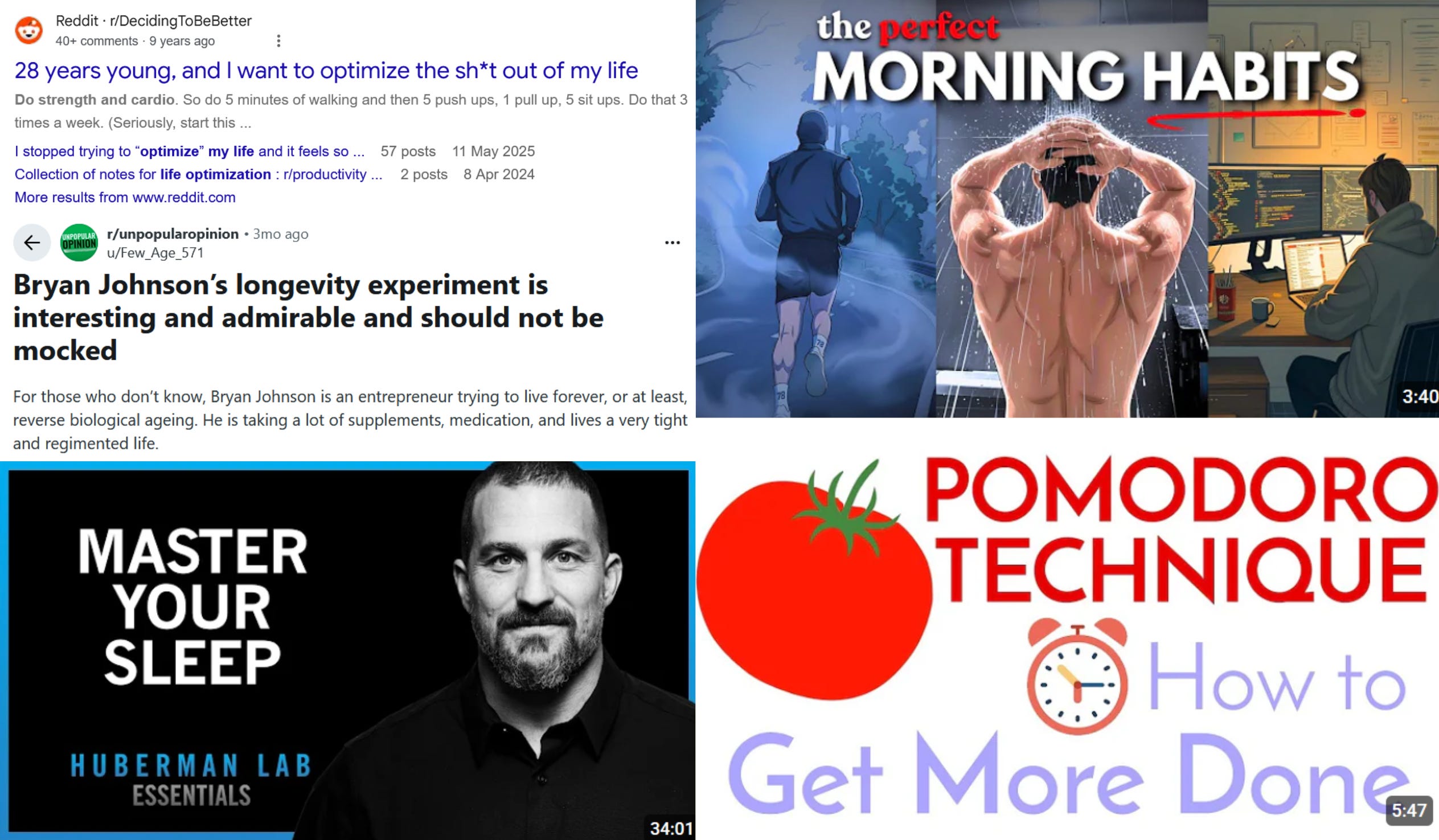
The reason optimization culture is a manifestation of the disenchantment of the world is that we’re reducing otherwise rich experiences to data points in a spreadsheet—play is just a way to burn calories, we go swimming to regulate our nervous system, food and drink are just fuel to be productive at work, while habits and routines help us be efficient at work—a work culture where we’re now samify-ing even prosaic, “lower-class” human expressions such as copywriting, marketing, and branding through the abuse of AI.1 This is a great formula to induce a nihilistic worldview.
I once committed a blunder and agreed to go play basketball with some productivity-oriented fellows. I was flabbergasted to learn that we were supposed to only play for 30 minutes because then we had to go jogging for another 30 minutes and then do some pushups and pullups for another 15 minutes. They’re indeed on a quest to “optimize” their health and performance. I just wanted to play basketball.
My biggest problem with optimization culture is that it’s terribly incompatible with the temperament of adventurous and artistic creatures, the very energy we need to produce explosive cultural change. We’re in dire need of deviance, of figures such as Di Modica, Mozart, Brâncuși, Hannah Arendt, Chagall, Matisse, Cioran, Nietzsche or Ștefan Câlția, Taleb, and Maria Popova—to name a few still alive and avoid falling into the trap of nostalgia. Do you think the likes of these fellows track their sleep, count their calories, feel guilty because they drank too much wine once in a while, and obsess over supplements and their morning habits? Measuring, analyzing, organizing, and upgrading every part of your life may render you seemingly efficient but profoundly hollow. The vital confusion of existence doesn’t go anywhere. Your existential crises deepen. I don’t trust anyone who has their life neatly organized; they’re hiding plenty of chaos behind a false sense of control. My pal nikita huno isn’t wrong: “You can’t optimize your way to a meaningful life.” Optimization culture “demoralizes people from undertaking the hero’s journey,” such a lovely phrase by Jash Dholani, from reaching the level of mastery needed to feel confident in their own powers without becoming overly reliant on apps, tools, models, systems, AI, etc.
Now, despite all the sins and vices of modernity, what if the world isn’t as disenchanted as we cynically claim, and we’re simply too spiritually deprived to perceive and advance its sacredness?
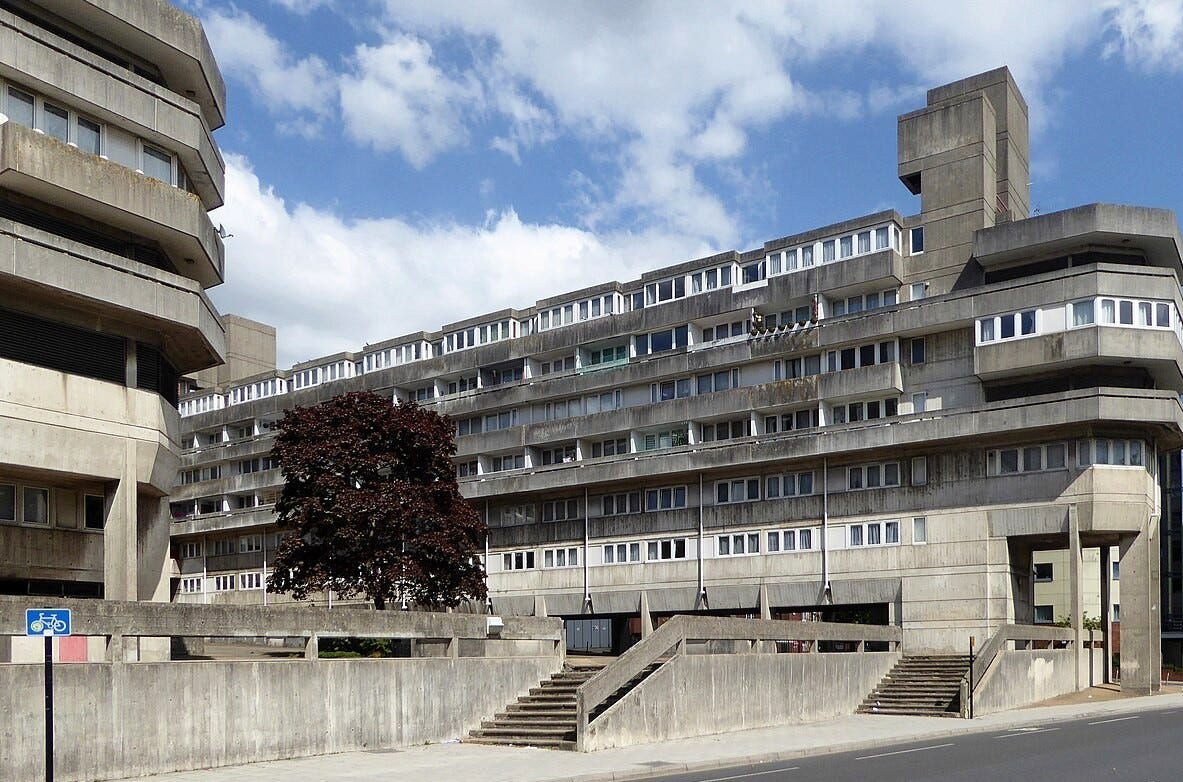
I’m a firm believer that the perennial antidote against times of crisis isn’t sheer optimism but beauty. If you build your life on the premise that things will get more convenient and comfortable—good luck. You’re becoming more vulnerable and fragile. Yet Tommy Dixon is right to underscore that one of the most insipid creative expressions is the one which points us to “how stupid and shallow the world is without making any effort or attempt to redeem what’s broken.” He adds: “Despair sells. But it’s also a sin.” This is why I hate brutalist architecture, a terrible movement which emerged after the 2nd World War. Everyone knew at that point in history that life is ugly. What’s the value or poetry or noble symbolism of adding more ugliness to the universal ugliness into which we’re being plunged deeper and deeper every day? Brutalism is a lackluster style; uncreative and oppressive.
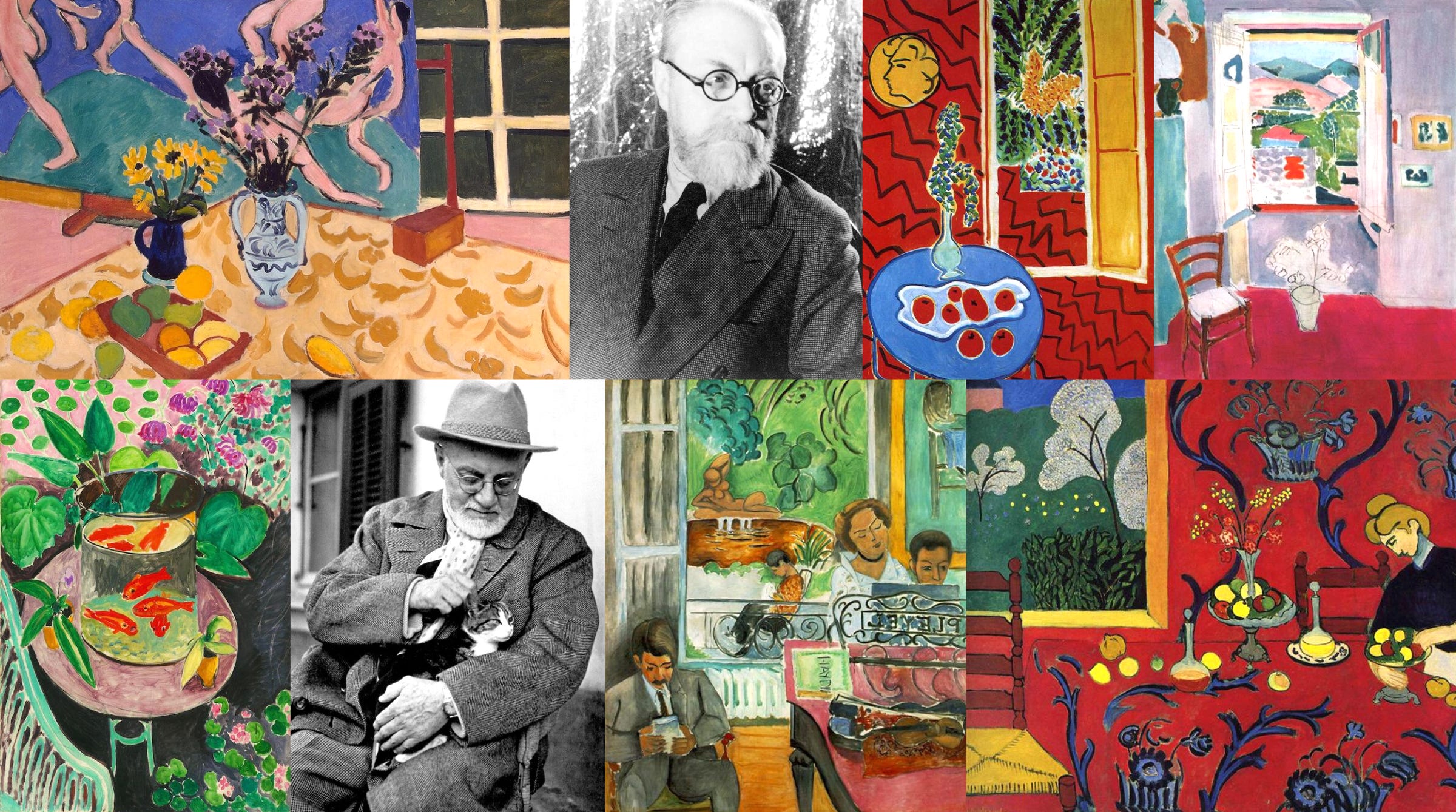
In contrast, this is why Henri Matisse is one of my favorite painters. What I love about his approach is how cheerful his style was despite going through two world wars and fighting cancer. Such artists aren’t necessarily in denial about how much ugliness there is in the world. “Matisse knew very well what tragedy or living in times of crisis meant,” Alain de Botton writes, “yet the real problem, as he shows us, is that darkness is very likely to overpower us,” and the only remedy is to make a deliberate effort to spread beauty honestly.
It takes a sophisticated mind and impressive rhetorical skills to be cynical and argue “how we’re living in dark times and how the whole moral fabric of modernity is fraying,” Tommy Dixon writes, but it takes a sophisticated heart to inspire hope and beauty and light and courage and honor and love in times of crisis, especially in times of crisis. We don’t need expressions which dramatize how ugly everything is but instead strive to recognize and underscore what’s whimsical and what makes us glow with spiritual ecstasy.2
Is the world getting more profane and disenchanted? I think it is. Can we live a meaningful life in a disenchanted world? Is a theology based on the “death of God” plausible? This is what I’m going to explore in the next section of this essay, available to paid subscribers only, for just 5 EUR/month or 45 EUR/year.
Q: Why aren’t all of my essays free? I’m a freelancer and brand strategist and most of my income comes from sources other than Substack. My mission is of a different nature than simply serving what I call profane industries. The only way I can possibly double down on more dignified projects sustainably is by getting rid of some of my profane projects, enjoying extra space and time. Note that, on average, an essay takes me 8 hours to write, excluding the research process and the creation or curation of visuals. But I intentionally keep the price low for a few reasons: 1) I want this to be easily affordable while simultaneously 2) raising enough funds to have reasonable confidence that I can continue working on new creative projects, such as perhaps a hardcover magazine dedicated to art, culture, and philosophy, slowly building an audience for it (hi there, you’re amazing, deeply appreciate your support)